


Trading for Beginners: A Complete Step-by-Step Guide
 June 5, 2025
 7 minutes
A complete guide to trading for beginners. Understand the different financial markets, learn trading basics, explore strategies, and start practicing risk-free with a demo account on Rinxo.

Trading guide for beginners
Trading is one of those terms that pops up frequently in conversations about money, finance, or investing but for many people, it remains a mystery. In the simplest terms, trading means buying and selling something, usually with the goal of making a profit. When we talk about trading in the financial market, we’re usually referring to instruments like stocks, cryptocurrencies, foreign currencies (also called forex), commodities like gold or oil, or even government bonds offered by many platforms like ours. The basic principle in trading for beginners is straightforward: you try to buy an asset at a lower price and sell it at a higher one. The difference between those two prices is your profit.
Think of it like a marketplace where people are constantly negotiating prices based on supply and demand. Traders analyse market trends, news, and historical data to make informed decisions about when to enter or exit a trade.
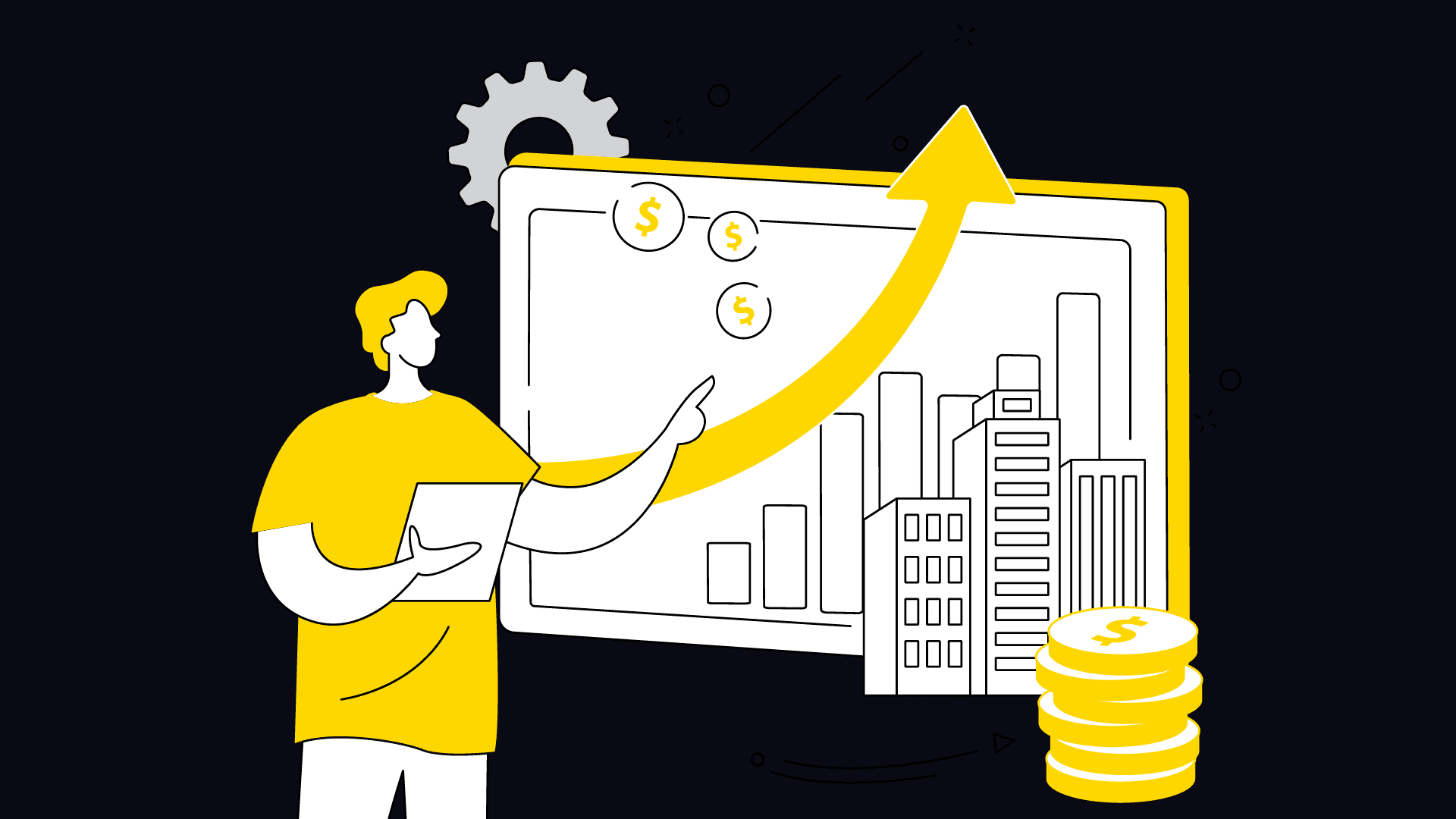
Basics of trading
Following are the basics of trading that every beginner should know;
1. Buying and selling
Traders buy financial instruments, expecting the price to rise and then sell those assets in order to make profit from the price differences in the market. To better understand when to enter or exit a trade, traders analyse the market conditions like the economic conditions, news events, and technical patterns. Moreover, having a good trading plan can be a key to successful and disciplined trading and maintaining consistency.
2. Market analysis
Fundamental and technical analysis are two main types of trading strategies used by successful traders.
- Fundamental analysis evaluates the financial conditions of assets based on economic indicators, earnings reports, and market news.
- Technical analysis, on the other hand, studies price charts and patterns to predict future movements.
- Combining both approaches can help traders make better decisions and create strong trading plan.
3. Risk management
Trading can be rewarding, but it also involves risk. Financial markets are unpredictable and influenced by countless factors from global news to investor behavior. Prices can rise and fall quickly, and even experienced traders can make mistakes. One of the biggest challenges in trading for beginners is managing emotions like fear and greed, which can lead to impulsive decisions.
An essential concept to grasp early on is risk management. This involves strategies designed to protect your capital and minimize losses. Key practices include setting clear limits on how much you are willing to lose on any given trade and never investing more than you can afford to lose. Many trading platforms, like Rinxo, offer features such as stop-loss orders and negative balance protection to help safeguard your investments and manage risk effectively.
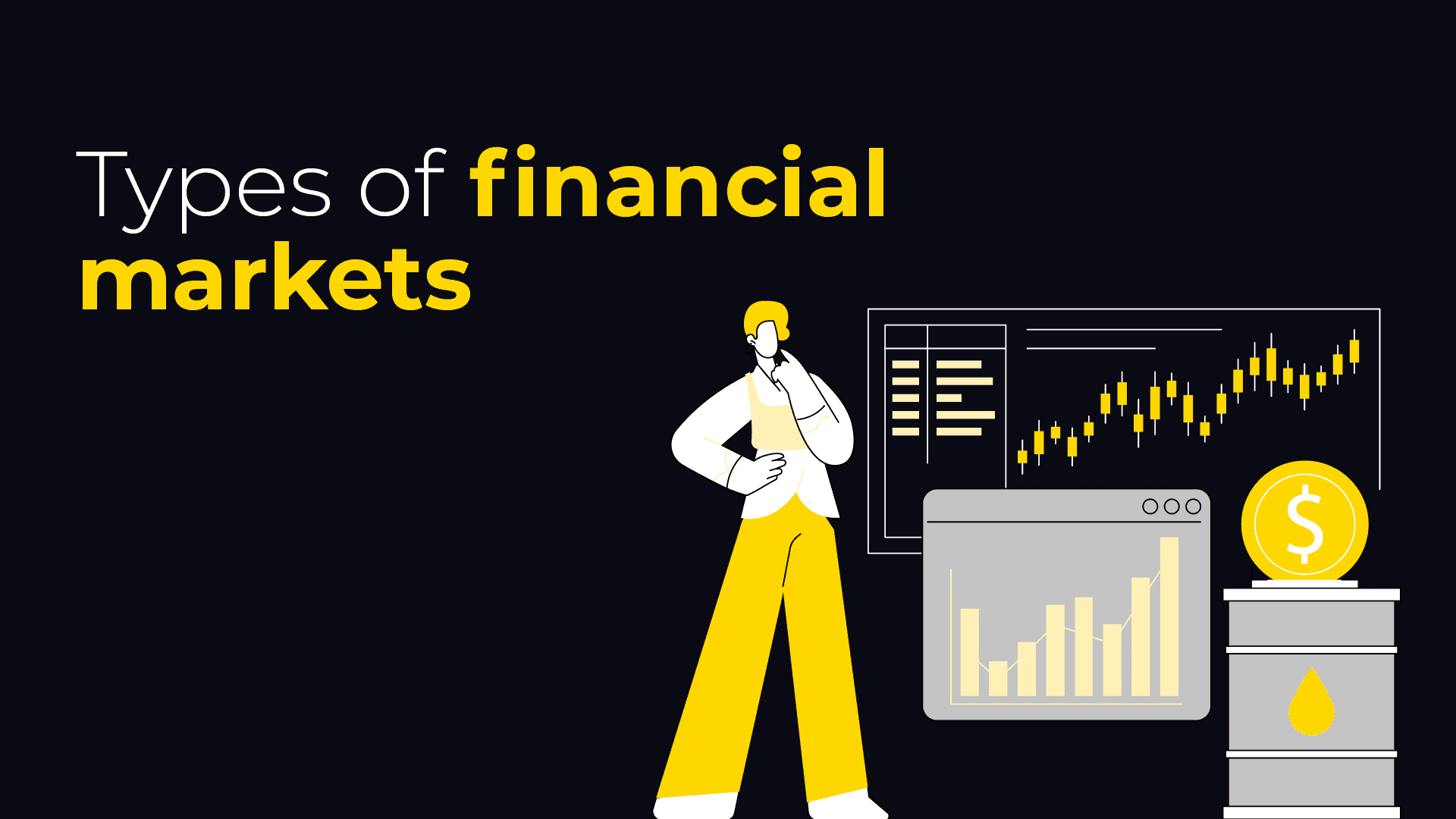
Major markets for trading
Stock market
The stock market is where shares of publicly listed companies such as Apple, Tesla, or Google, are bought and sold. It allows investors to own a portion of these companies and potentially profit from their growth.
Crypto market
The crypto market is where digital currencies like Bitcoin and Ethereum are traded. With 24/7 availability and high market volatility, it offers exciting opportunities for traders looking for fast-paced action.
Forex market
The forex market, short for "foreign exchange," is the global marketplace where people trade currencies. It’s the largest and most liquid financial market in the world, with trillions of dollars exchanged every day. In forex trading, you’re essentially buying one currency while selling another, for instance, buying the Euro and selling the US Dollar.
Commodity market
Commodity markets deal with the buying and selling of natural goods like gold, oil, and wheat. These markets help stabilize global supply chains and offer trading opportunities based on global demand and supply shifts. All these markets are accessible through online platforms and apps, making it easy for beginners to start trading from anywhere.
Indices market
Indices markets involve trading stock market indexes like the S&P 500, NASDAQ, Dow Jones, FTSE 100, or DAX. These indices represent the performance of a group of selected stocks, giving a broader view of a particular market or sector. Traders often use indices to speculate on the overall market direction or to hedge other investments.
These trades can happen online, using user-friendly apps or platforms that make it easy for almost anyone to participate.
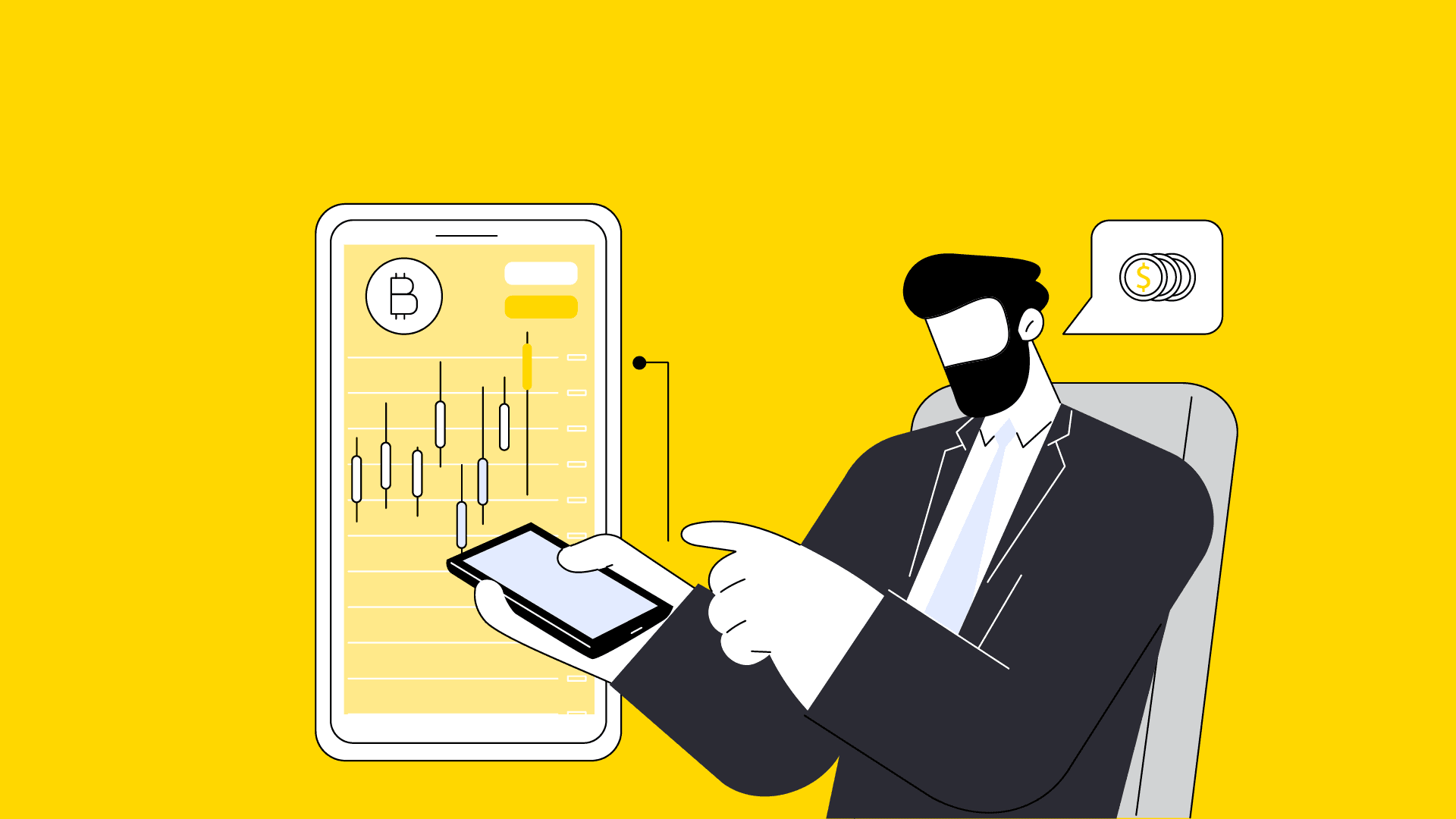
Steps to get started with trading
1. Educate yourself
Trading isn’t something to rush into. Start by building a solid foundation: read beginner-friendly books, take reputable online courses, and stay updated with financial news. Understanding how markets work, what moves prices, and the different types of assets (like stocks, forex, or crypto) will help you avoid costly mistakes early on. Remember, even experienced traders keep learning every day.
2. Choose a market
Each financial market operates on its own schedule and reacts to different factors, which can greatly impact trading opportunities. Stock markets like the NYSE and Nasdaq are open during set hours typically 9:30 AM to 4 PM EST on weekdays and prices often move sharply around company earnings and economic reports released during these times. Forex markets, in contrast, trade 24 hours a day from Sunday evening to Friday evening (EST), with the most activity and tighter spreads occurring during overlapping sessions like London/New York. Forex prices are highly sensitive to economic data, central bank decisions, and geopolitical events that can cause sudden volatility.
Commodities have varying trading hours depending on the asset and exchange, with prices influenced by supply-demand factors, weather, and geopolitical tensions. Meanwhile, cryptocurrency markets run nonstop, 24/7, which means prices can shift at any time due to regulatory news or market sentiment, often resulting in higher volatility during off-hours. Understanding each market’s trading hours and what drives price movements can help you choose the best times to trade, manage risk, and improve your chances of success.
3. Choose a trustworthy trading platform
Selecting a reputable broker is one of the most important steps in your trading journey. Always choose a platform regulated by well-known financial authorities such as the FCA (UK), SEC (USA), or CySEC (Cyprus). Regulation means the broker must follow strict rules designed to protect your funds and ensure transparent, fair trading practices. Beyond regulation, look for a platform that is intuitive and user-friendly, offers accurate, real-time market data, and supports secure payment options for deposits and withdrawals.
Many brokers, including Rinxo, provide valuable educational resources and demo accounts, allowing you to practice trading with virtual money before risking your own capital. This helps build confidence and understand the platform’s features without financial pressure.
4. Practice with a demo account
Before you start trading with real money, it’s crucial to open a demo account. Demo accounts use virtual funds, allowing you to buy and sell assets in real market conditions without any financial risk. This hands-on practice helps you understand how orders are placed, how the platform operates, and how market movements affect your trades. It’s also the perfect way to experiment with different trading strategies and build confidence before committing real capital. Think of it like a flight simulator for traders — an essential step to sharpen your skills and avoid costly mistakes when you go live.
5. Start small and scale up
When you begin trading with real money, start with a small amount you can afford to lose. This reduces pressure and helps you make decisions based on logic, not emotions. Keep a trading plan that outlines your goals and limits. Track your trades carefully, review what works and what doesn’t, and adjust your strategy over time. Patience and discipline are key to long-term success.
Road ahead for beginners!
To succeed in trading, you’ll need to familiarize yourself with a few essential tools and concepts. Trading platforms like Rinxo allows you to execute trades and monitor your portfolio. You’ll also encounter things like charts, technical indicators, and market analysis, which help traders understand price trends and make informed decisions. A useful tool for beginners is the demo account, which lets you practice trading with virtual money before risking real funds.
Ready to start trading risk-free? Open a demo account on Rinxo today and practice with virtual money until you’re confident to trade live.
Keep Up with Our Latest Blog Posts
Read our blogs on how markets work, along with key factors that influence price movements and trading decisions.
Your Security, Our Priority
Your security comes first. All transactions are encrypted and processed through secure gateways, fully compliant with international standards. We use advanced protection measures to safeguard your personal and financial data at every step.
Need help? 24/5 Support Available
Our support team is available for you 24/5. Reach us via live chat, email, or phone for fast, helpful service whenever you need it.

Trade with a trusted broker today
Access world-class markets with the speed, reliability, and flexibility trusted by traders around the globe. Whether you're just starting or scaling your strategy, Rinxo has your back.
